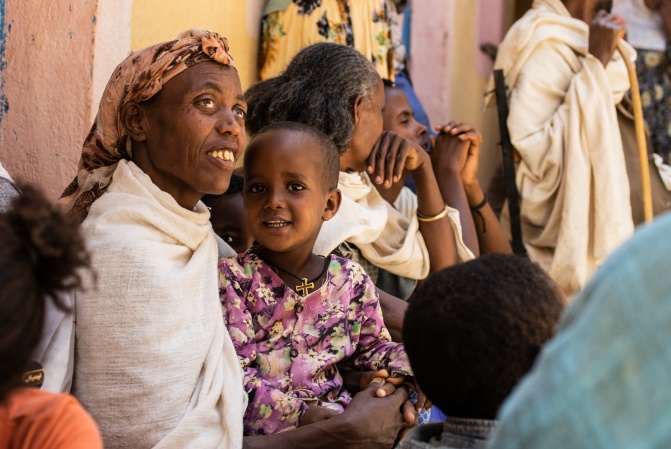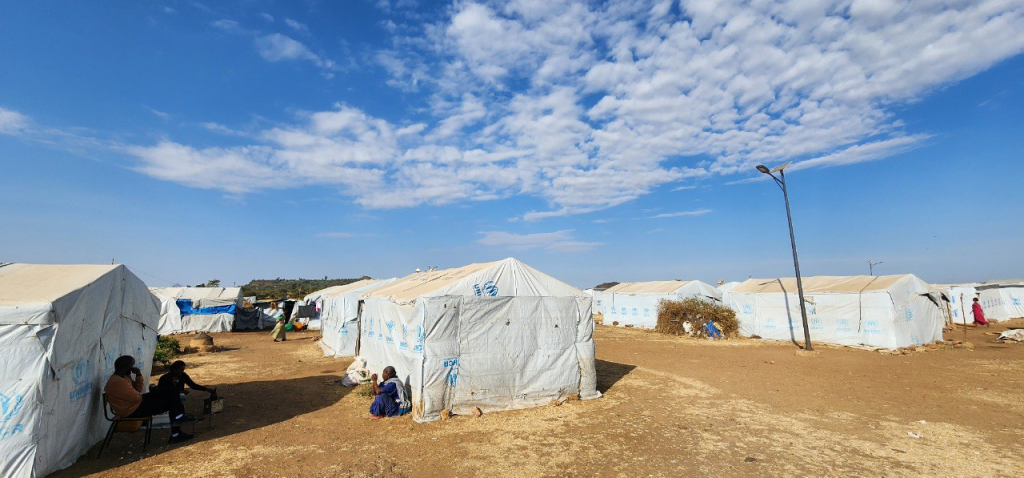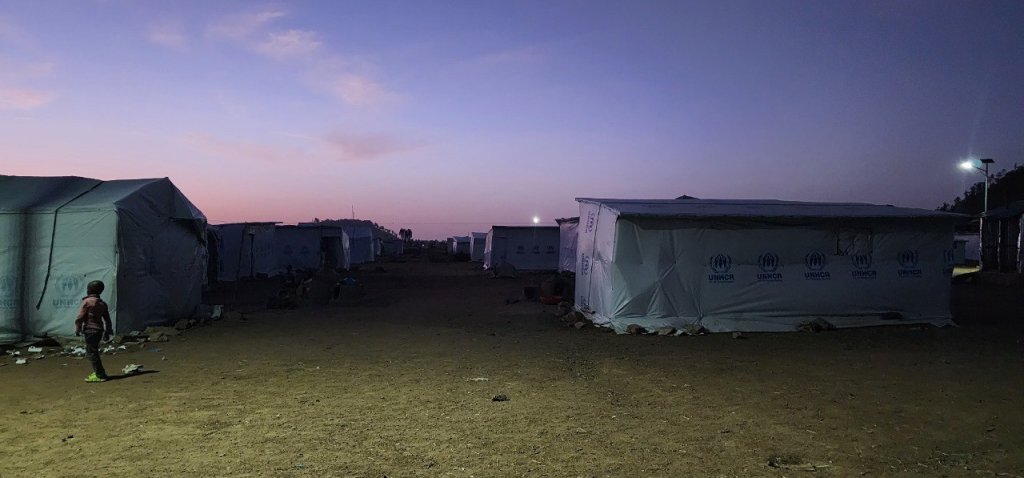

In Tigray, Ethiopia, the two year war has created a devastating crisis, hitting women and children the hardest.
As a result of the conflict, countless women have been subjected to sexual violence by enemy forces, resulting in pregnancies that bring both new life and profound tragedy. The children born from these acts of violence, often referred to as the “Enemy’s Child,” face severe stigmatization and rejection, while their mothers endure the dual burdens of trauma and societal ostracism.
The Impact on Children:
Children conceived through wartime rape are born into a world where their existence is a constant reminder of violence and suffering. These children are often ostracized by their communities, seen not as innocents, but as living symbols of the enemy. The stigma they face results in exclusion from social and educational opportunities, leading to a life marked by poverty and discrimination. The psychological impact on these children is profound, as they grapple with identity issues and a pervasive sense of unworthiness, compounded by the rejection from the very communities that should protect them.
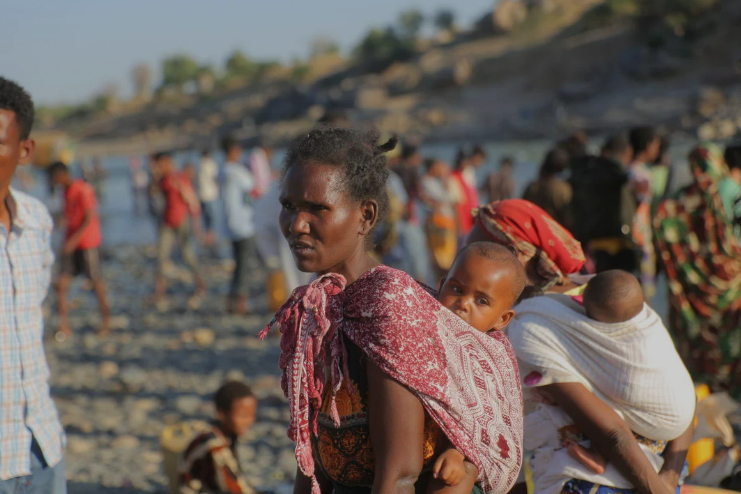
Tigray Women
The Aftermath For Women:
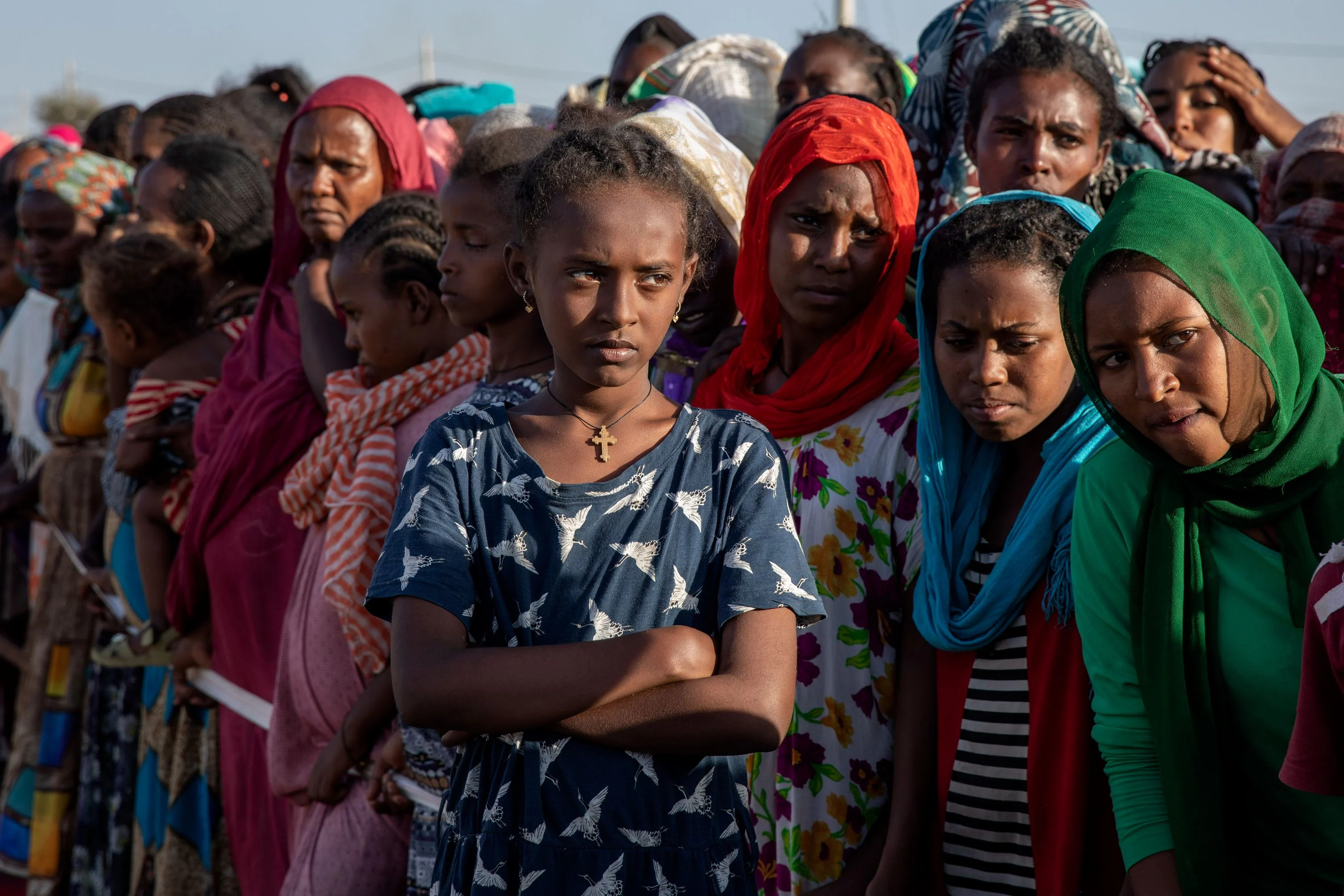
For the women of Tigray, the consequences of wartime rape are devastating and multifaceted. Beyond the immediate physical and emotional trauma, these women are often abandoned by their families and communities. They are blamed and shunned, left to raise their children in isolation and extreme poverty. The societal stigma surrounding sexual violence victims in Tigray is so severe that it hinders their ability to access essential services and support. These women struggle to provide for their children, facing immense psychological distress while coping with the daily challenges of survival in a hostile environment.
Societal and Cultural Challenges:
The entrenched cultural norms and societal attitudes in Tigray have added to the suffering of these women and their children. Victims of rape are frequently viewed as dishonoured, and their children are seen as perpetual reminders of the violence inflicted by enemy forces. This stigmatization perpetuates a cycle of shame and exclusion, preventing both women and children from leading normal, fulfilling lives. The lack of community support and the pervasive culture of silence around sexual violence further isolate these individuals, making it difficult for them to find solace or seek justice.
The Psychological Toll:
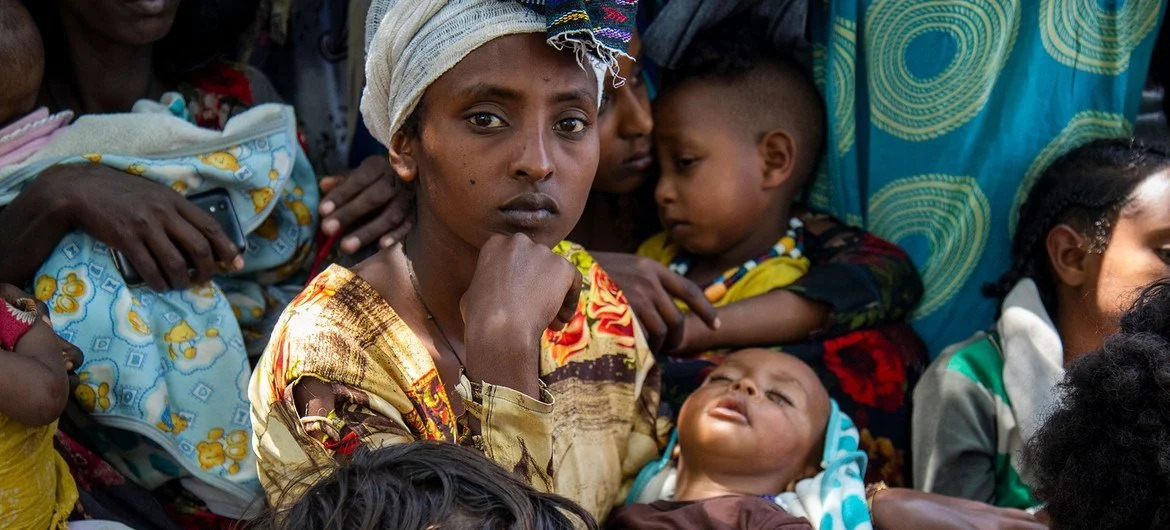
The psychological toll on both the women and their children is immeasurable. Women face severe post-traumatic stress, depression, and anxiety, compounded by the constant reminder of their assault through their children. The children, in turn, suffer from identity crises, feeling unwanted and unloved in a world that views them as embodiments of an enemy. The lack of psychological support services in conflict zones like Tigray means that both mothers and children are left to navigate their trauma alone, often resulting in long-term mental health issues that span generations.
Conclusion:
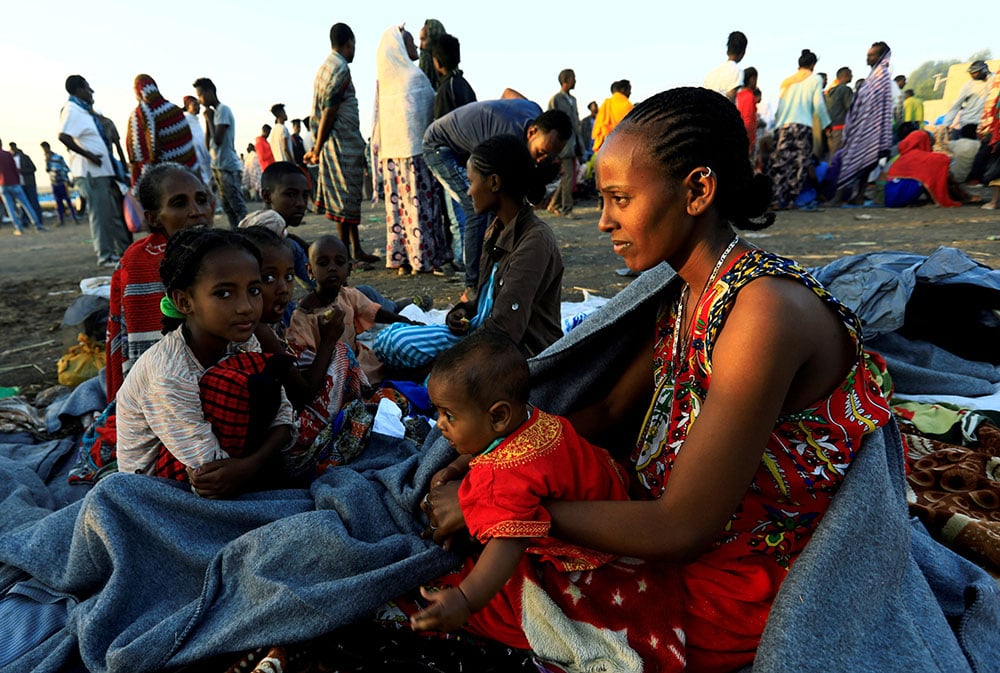
The ongoing conflict in Tigray has wrought a humanitarian crisis that deeply affects women and children. The children born of wartime rape and their mothers are enduring unimaginable hardships, facing a society that often sees them as symbols of dishonour rather than victims of violence. Addressing their needs requires not only immediate humanitarian aid but also a fundamental shift in societal attitudes towards sexual violence and its survivors. It is crucial for the global community to recognize and support these victims, advocating for their rights and working towards a future where no child or mother is stigmatized for the atrocities inflicted upon them.